
It discusses depreciation and provides depreciation examples in many sections of the book, unlike the Accounting for Dummies manual (affiliate link). HighRadius is redefining treasury with AI-driven tools like LiveCube for predictive forecasting and no-code scenario building. Its Cash Management module automates bank integration, global visibility, cash positioning, target balances, and reconciliation—streamlining end-to-end treasury operations. HighRadius stands out as a challenger by delivering practical, results-driven AI for Record-to-Report (R2R) processes. On track for 90% automation by 2027, HighRadius is driving toward full finance autonomy.
Impact of Depreciation Accounting Entry on Financial Statements

The residual value is the estimated value of the building at the end of its useful life. Depreciation is a method used in accounting to allocate the cost of an asset over its useful life. It is an important concept in accounting as it helps in determining the true value of an asset over time. Depreciation is the decrease in the value of an asset due to wear and tear, obsolescence, or other factors that cause the asset to lose its value over time. A truck costing $40,000 has a useful life of 10 years and a salvage value of $5,000 at the end of its useful life.
What is the definition of depreciation and how is it calculated?

If there is an estimated residual value for an asset, then the carrying amount at the end of its life cycle should be equal to its residual value. Yes, depreciation can be adjusted for changes in asset usage, disposal, or revision of useful life estimates. Another accelerated normal balance method that applies a decreasing fraction to the depreciable base. The company ABC will charge the depreciation cost of $ 9,500 for 10 years until it recovers the full cost of the machine $ 95,000.
Bookkeeping Journal Entries for Asset Depreciation, Asset Sale, and Asset Write-off: Your Essential Guide
Rather, it takes into account that assets are generally more productive the newer they are and become less productive in their later years. Because of this, the declining balance depreciation method records higher depreciation expense in the beginning years and less depreciation in later years. This method is commonly used by companies with assets that lose their value or become obsolete more quickly. This is because there are accounts involved – depreciation expense and accumulated depreciation, which are debited and credited, respectively.
The asset’s original cost and its accumulated depreciation are credited and debited respectively to remove them from the company’s books. In managing a company’s assets, keeping accurate and detailed records is essential to ensure financial statements reflect the real value of the company’s resources. Understanding how to record these transactions is essential for accountants as they provide a historical record and accountability.
- In addition to the above values, we will now calculate the depreciation rate as well.
- By this, the company gets to know the total depreciation expense charged by the company on its assets since its purchase, thereby helping the concerned person keep track of the same.
- Hence, it can only estimate the amount of depreciation expenses during the period by using various depreciation methods.
- Under this method, the cost of the asset is divided by the estimated number of units it will produce over its useful life.
- This accounting method spreads the asset’s purchase cost across the periods it helps generate revenue, rather than tracking fluctuations in market value.
- Recording depreciation ensures compliance with accounting principles, accurately represents asset value, and matches expenses with revenue.
- So, the company will record depreciation expense of $7,000 annually over the useful life of the equipment.
Accounting for Asset Disposal

Over time, the accumulated depreciation balance will continue to increase as more depreciation is added to it, until such time as it equals the original cost of the asset. At that time, stop recording any depreciation expense, since the cost of the asset has now been reduced to zero. When a company depreciates its PP&E, it records the depreciation expense in its income statement and reduces the carrying value of the asset on its balance sheet. The journal entry for depreciation involves debiting the depreciation expense account and crediting the accumulated depreciation account. The accumulated depreciation account is a contra-asset account that offsets the value of the PP&E account on the balance sheet. To record an accounting entry for depreciation, a depreciation expense account is debited and a contra asset account (accumulated depreciation) is credited.
- If the equipment we bought is our only asset and it has been fully depreciated, the Asset section of the Balance Sheet will look as follows.
- While the accumulated depreciation account will be increased to 160,000 as of the 80,000 from the second year also add up within the account.
- Functional or economic depreciation happens when an asset becomes inadequate for its purpose or becomes obsolete.
- We cannot record expenses on the purchasing date as it will provide benefits over a long period.
- This wear and tear decrease the asset’s life, and ultimately, the firm should be going to purchase a new one.
- Each year, the same amount of depreciation is recorded until the asset is fully depreciated.
Importance of Recording Depreciation

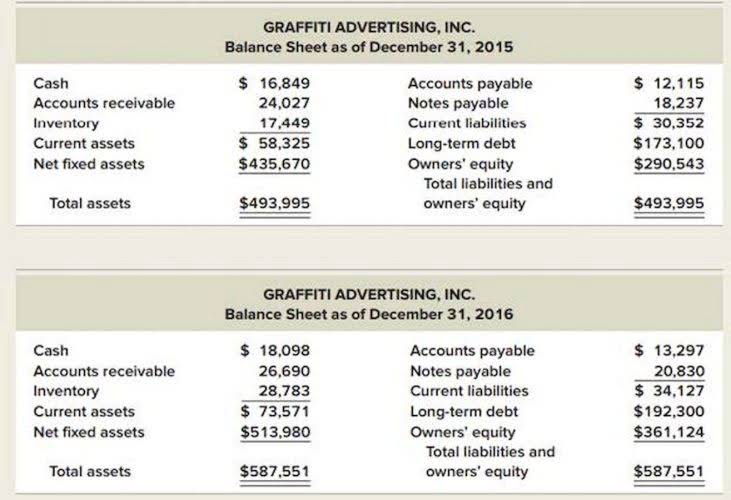
This presentation provides transparency about the asset’s remaining undepreciated cost. The balance in Accumulated Depreciation grows over time until the asset is fully depreciated or disposed of. Accounting for Technology Companies Your business purchased office equipment worth $15,000 on January 1, 2024. After an event is identified to have an economic impact on the accounting equation, the business event must be analyzed to see how the transaction changed the accounting equation. When the company purchased the vehicle, it spent cash and received a vehicle.
- On the other hand, a rental property located in a growing area may end up having a market value greater than the outstanding amount recognized in the balance sheet.
- Fixed assets will provide economic benefit to the company before it breaks down.
- Because this is not logical, when you buy a new asset, you less the value from the company income statement.
- Based on the matching principle, company needs to record revenue and expense in the period which they incur.
- The accounting method used to calculate depreciation can vary depending on the asset and the company’s accounting policies.
Book value is the value of an asset as it appears on a company’s balance sheet. Market value is the actual value of an asset if it were sold on the open market. These values can be different, especially if an asset has appreciated or depreciated depreciation expense journal entry in value since it was purchased. Salvage value is the estimated value of an asset at the end of its useful life. This value is used to determine the total depreciation expense for an asset.